
CPUC Celebrates First Long-Duration Energy Storage Project Developed Under Integrated Resource Planning Process

The California Public Utilities Commission (CPUC) recently joined project developers, local partners, and others to celebrate the completion of the Tumbleweed Energy Storage facility in Kern County, the first eight-hour battery storage project developed under the CPUC’s Integrated Resource Planning (IRP) process.
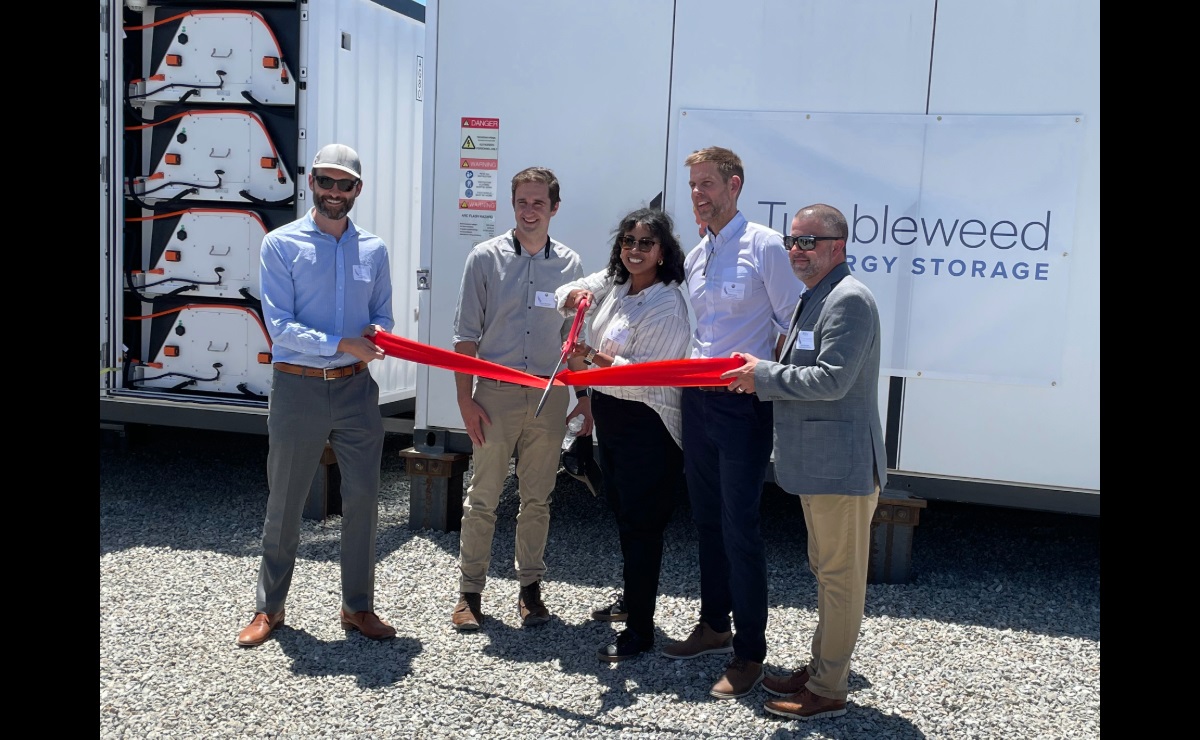
CPUC Executive Director Leuwam Tesfai (center) at the ribbon cutting of the Tumbleweed Energy Storage facility
The REV Renewables project marks an important milestone in California’s transition to a clean energy future and demonstrates the critical role that long-duration energy storage will play in maintaining electric reliability while reducing greenhouse gas emissions.
Speaking at the project ribbon-cutting celebration on June 18, 2026, in Rosamond, Calif., CPUC Executive Director Leuwam Tesfai highlighted the planning, engineering, regulatory review, and construction required to bring major clean energy projects online.
“This project shows that California’s renewable energy goals, while ambitious, are achievable,” Executive Director Tesfai said. “Developers, utilities, community choice aggregators, and regulators all play an important role in turning California’s clean energy vision into reality.”
The California Legislature has directed the CPUC to conduct integrated resource planning and administer a resource adequacy program to ensure the state’s electric sector remains on track to meet greenhouse gas reduction goals while maintaining reliability at the lowest feasible cost.
Through the IRP process, the CPUC identifies the quantities and types of new clean energy resources needed to support California’s target of 60 percent renewable energy and 100 percent greenhouse gas-free retail electricity sales by 2045.
Projects such as Tumbleweed are a direct result of that planning process. The facility is part of a historic expansion of clean energy resources across California. Since 2020, more than 31,000 megawatts (MW) of new resources have come online statewide, including more than 16,000 MW of energy storage capacity, and more is to come.
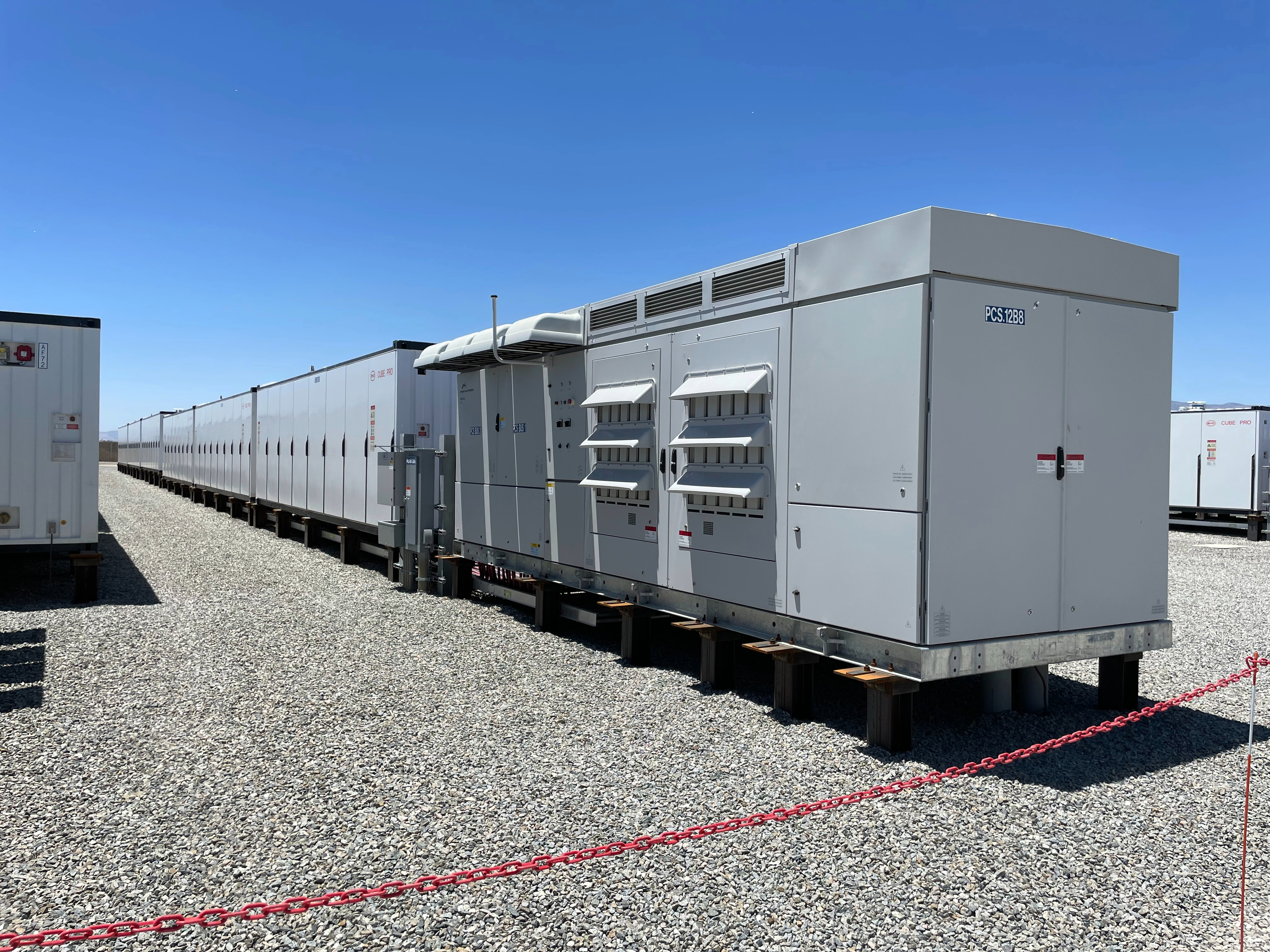
Battery Storage infrastructure at the Tumbleweed Energy Storage facility
While every new clean energy resource contributes to California’s energy goals, Tumbleweed represents a significant advancement in the state’s energy storage portfolio. Unlike the four-hour battery systems that currently make up most of California’s storage fleet, Tumbleweed can store and discharge electricity for up to eight hours.
The project helps fulfill a 2023 CPUC procurement requirement directing load-serving entities to secure 1,000 MW of long-duration energy storage resources. The entities that contract with the project serve some of California’s largest population centers, underscoring the broad importance of long-duration storage to the state’s electricity system.
As California adds increasing amounts of renewable generation, long-duration storage is expected to become an essential reliability resource. Eight-hour battery systems can store excess solar energy generated during the day, discharge during periods of peak evening demand, and continue providing electricity overnight. This capability can help reduce reliance on natural gas-fired generation while supporting a cleaner and more resilient grid.
Research also indicates that broader deployment of energy storage resources can lower electricity costs over time and reduce price volatility by increasing grid flexibility and improving the utilization of renewable energy resources.
California’s existing fleet of four-hour batteries remains a critical component of grid reliability. However, projects such as Tumbleweed demonstrate the next phase of energy storage development and represent an important step toward achieving a fully renewable, reliable, and affordable electric system.