
Celebrating Earth Month with Sahba Hafezi
Get to Know Us
I'm passionate about the environment because I believe the energy transition is the defining challenge of our generation — and I want to be part of solving it, not just observing it.
- Sahba Hafezi
Division: Energy Division
CPUC Tenure: 1 year
Headquarters: San Francisco
Role: I am a Senior Energy Analyst in the Energy Division’s Cost Reporting and Tracking Section for utility General Rate Case (GRC) proceedings. In a GRC, utilities justify the costs they want to pass on to customers through electricity bills. My role focuses on what utilities are spending to actually purchase and supply power. Day-to-day, this means tracking and verifying those costs, checking that what utilities claimed they would spend lines up with what they actually spent, and making sure everything is being reported accurately and fairly. I use financial data and energy market records to protect customers and ensure the system is working appropriately.
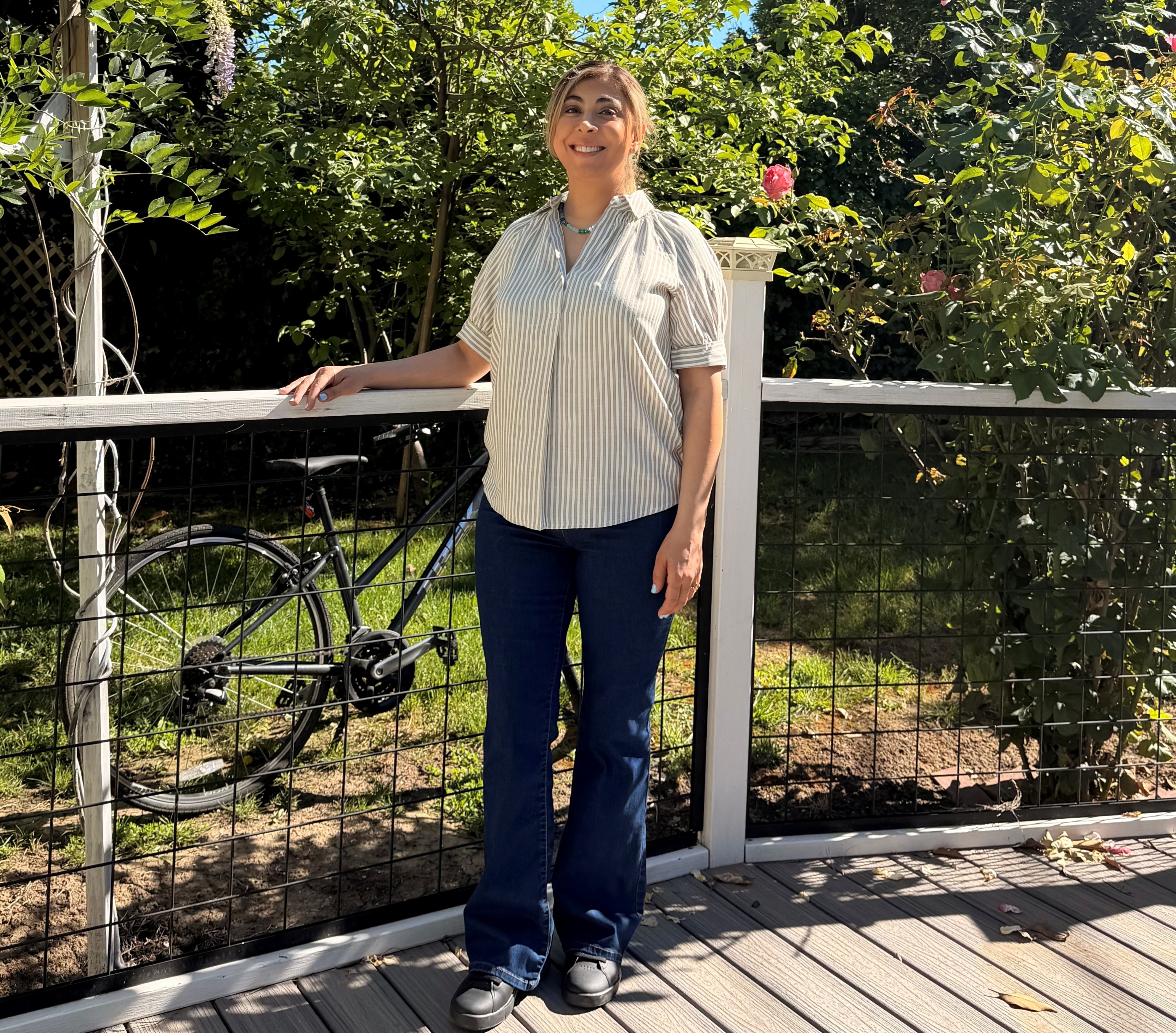
Sahba Hafezi enjoys spending time outdoors.
How does your work at the CPUC help support a healthier planet?
I help ensure that the financial foundation for California’s clean energy transition is accurate, transparent, and equitable. I help track and validate billions of dollars in electricity supply costs, including the proper allocation of costs. By ensuring these numbers are correct, we support investments in clean infrastructure, reduce reliance on fossil fuels, lower greenhouse gas emissions, and help California meet its ambitious climate goals, all while keeping electricity reliable and affordable for families and businesses. My role may be behind the scenes with data and reports, but it quietly powers real progress toward a cleaner, healthier planet.
What do you wish more people knew about the CPUC’s work to protect the planet and Californians?
I wish more people knew that the CPUC’s work goes far beyond setting rates. It’s about building the regulatory and financial backbone that makes California’s clean energy future possible. Few realize the critical role of accurate cost reporting and tracking in GRCs. My team ensures costs are allocated fairly so the move to renewables can accelerate without unfairly burdening customers. The CPUC protects both the planet and Californians by balancing environmental progress with reliability and affordability. This work reduces emissions, improves air quality, and creates a more resilient grid for everyone. It’s a powerful example of how thoughtful regulation can drive meaningful climate action while serving the public interest.
What’s one action you take outside of work to support a healthy planet?
I drive an electric vehicle to lower transportation emissions and bike whenever possible in Davis where I live. I also shop locally and support businesses that prioritize sustainability. I also switched to energy efficient technologies in my home such as LED lighting and a heat pump.
Why are you passionate about protecting the environment and living sustainably?
I believe the energy transition is the defining challenge of our generation and I want to be part of solving it, not just observing it. That belief shows up in how I work, researching clean energy policy and electric vehicle infrastructure, but also in how I live, driving an EV, biking, and making choices at home that reflect my values. For me, sustainability is a genuine conviction that the way we power our lives matters, and that each of us has a role to play in getting it right.
From your perspective, what are some small actionable steps people can take to reduce their carbon footprint?
Reducing your carbon footprint doesn't require overhauling your entire life. Small, consistent choices add up faster than most people realize. The biggest wins tend to come from transportation and energy at home. If you can switch to an electric vehicle or even just drive less and bike or walk for short trips, that alone dramatically cuts your personal emissions. At home, switching to LED lighting, unplugging devices when not in use, adjusting your thermostat by just a couple of degrees, and choosing energy efficient appliances all make a measurable difference. Eating less red meat a few days a week, buying secondhand when you can, and reducing single-use plastics are also surprisingly impactful. And if your utility offers a green energy or renewable option on your bill, opting in is one of the easiest things you can do. The goal isn't to do everything at once, but to keep moving in the right direction, because collective small actions at scale are exactly how systemic change begins.
En Español
By Andrea Marvin, Public Information Officer
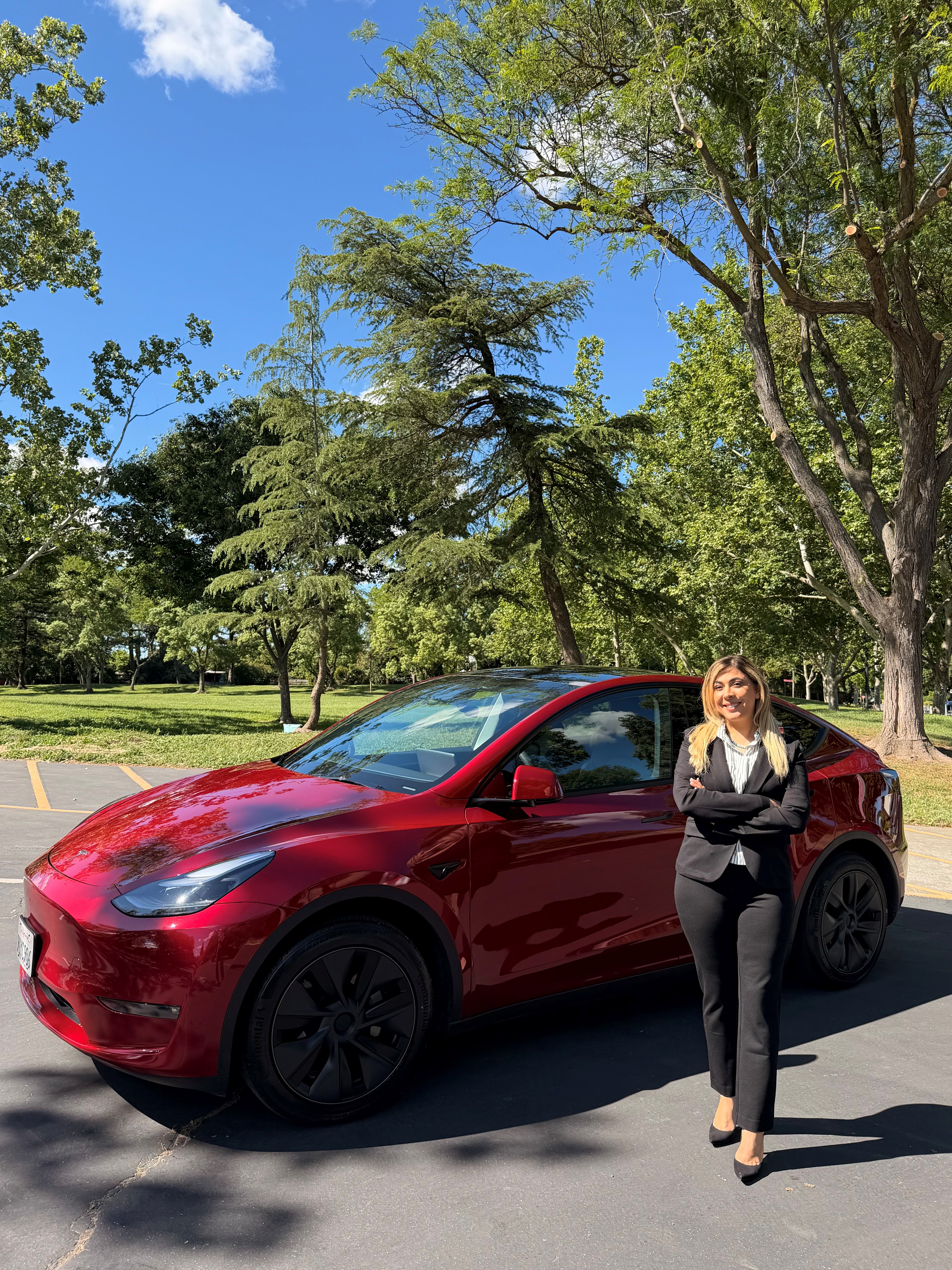 Sahba Hafezi drives an EV to reduce her carbon footprint.