
Q&A with Eric Votaw, CEO of VARCOMM Broadband, Inc.
Broadband Grants Community Impact Series
Can you briefly describe your organization and the broadband project you are implementing?
VARCOMM Broadband, Inc. (VARCOMM) is the CLEC/ISP subsidiary of Ducor Telephone Company and serves communities in Tulare and Tehama Counties. With support from a CPUC Last Mile Federal Funding Account grant awarded in August 2024, VARCOMM deployed 56.8 miles of buried fiber to bring affordable broadband service to more than 1,400 homes and 80 businesses. The project expanded fiber access to the core town and into surrounding rural areas that have historically been underserved. VARCOMM also partnered closely with Tulare County, whose support was critical in helping expedite deployment through encroachment permit approvals and collaboration on securing a CEQA exemption.
What community needs or challenges led your organization to pursue this broadband project?
VARCOMM pursued this broadband project because it acknowledged the economic challenges facing farm-working communities in the San Joaquin Valley. We believe that providing affordable, state-of-the-art broadband is essential not only to closing the digital divide, but also to creating greater opportunity for families by improving access to education, jobs, healthcare, and other critical resources that can strengthen their economic future.
Why does this type of CPUC grant matter for communities such as yours?
The CPUC’s FFA grant is critical for communities like Terra Bella because, without it, providing affordable or free broadband service would not have been possible. The grant gave VARCOMM the ability to deploy fiber infrastructure in an underserved area and to offer free internet access and affordable service options that reflect the economic realities many residents face. Just as importantly, the CPUC’s investment in our project helped make sure this community would not be left behind in access to reliable, high-speed internet.
Would the project have been possible without a grant from the CPUC?
No, this project would not have been possible without CPUC grant funding. The cost of deploying fiber infrastructure in a rural and economically challenged community like Terra Bella is too high to make the project financially feasible through private investment alone. The grant made it possible to build the network and deliver affordable service to residents who otherwise might not have access to reliable broadband.
How is this project improving connectivity or digital access for people in your community?
This project is improving connectivity and digital access in Terra Bella by bringing reliable fiber broadband to residents who have historically had slow and unaffordable broadband options. With the fiber infrastructure in place, families now have access to free internet and affordable service plans that better match the community’s economic needs. This project of deploying fiber helps residents connect to online education, telehealth, employment opportunities, government services, and everyday communication, reducing the digital divide and improving quality of life across the community.
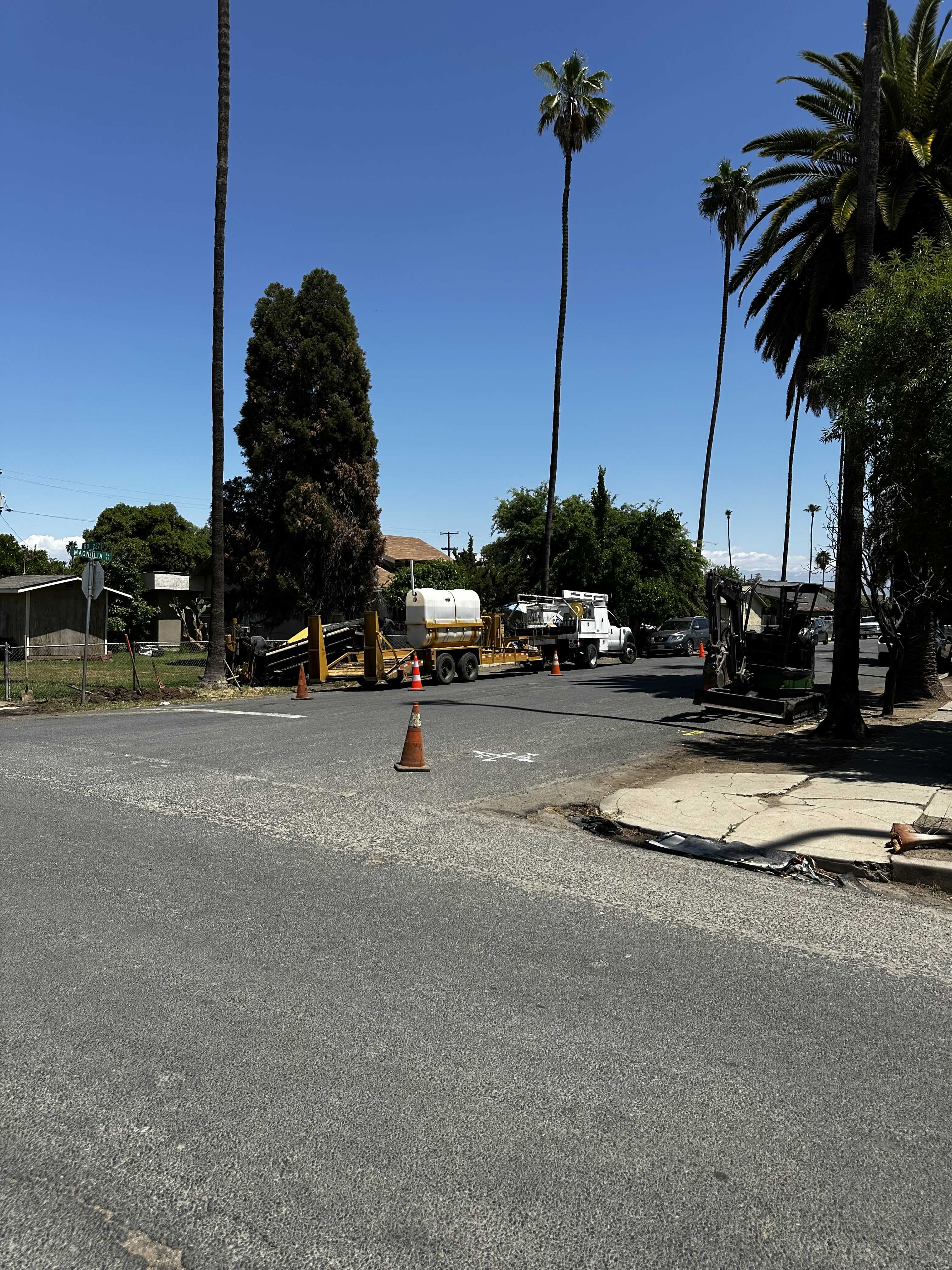
Construction of the Terra Bella project.
How do you see the CPUC’s role in expanding access to broadband and improving equity in California?
The CPUC is helping communities like Terra Bella stay connected by investing in broadband where it’s needed most. Its support makes it possible to bring reliable, affordable internet to families who might otherwise be left behind, while also strengthening local providers, like VARCOMM, and creating opportunities in underserved communities.
What does reliable internet access mean for the long-term future of your community?
Reliable internet access is essential to the long-term future of our community. It creates opportunities for students to learn, families to access healthcare and essential services, adults to work and build careers, and local businesses to grow and compete. In the long run, broadband is not just about connectivity, it is about economic opportunity, community stability, and making sure rural communities like Terra Bella are not left behind.
.jpg)
VARCOMM Broadband, Inc. employee building fiber infrastructure.
What would you say to other communities or community organizations still working to expand broadband access?
We would encourage other communities and organizations to keep pushing forward, because expanding broadband access can truly transform lives. We would also encourage them to seek out a locally owned, community-based company to partner with for deployment, one that understands the needs of the area and is committed to serving residents for the long-term. While these projects can be challenging, strong partnerships, local support like we received from Tulare County, and programs such as those offered through the CPUC can make a real difference in bringing lasting connectivity to underserved communities.
What steps would you encourage them to take with the CPUC?
We would encourage communities and organizations to closely monitor the CPUC website for funding opportunities such as California Advanced Services Fund Broadband Equity Access, and Deployment program, and FFA. We would also encourage them not to hesitate to reach out to the CPUC with questions, because getting clarification early on can be extremely helpful in understanding grant opportunities, eligibility, and project completion requirements. Being proactive and informed can make a real difference in successfully moving a broadband project forward.

Eric N. Votaw, CEO of VARCOMM Broadband, Inc.