Policy and Progress: Implementing California's Climate Vision
How the California Public Utilities Commission delivers real-world progress on scaling clean energy, helping customers decarbonize, and meeting emissions reductions goals in the 4th largest economy in the world.
California has the most ambitious climate and energy agenda in the country, which rests on the goal of achieving a 100 percent clean energy grid and a carbon neutral economy by 2045. As the economic regulator of the state’s investor-owned electric and natural gas utilities, the California Public Utilities Commission (CPUC) plays a critical role in the state’s clean energy transition.
Our ongoing proceedings and regulatory programs are key venues for bringing California’s climate and energy agenda to life. Our work spans clean energy and battery storage deployment, modernizing grid infrastructure, customer generation and energy efficiency, building and transportation electrification, water conservation, and more. The CPUC works in close partnership with our sister agencies, including the California Energy Commission (CEC) and the California Air Resources Board (CARB) delivering real-world outcomes for California.
Regulation Meets Real World
Community Solar
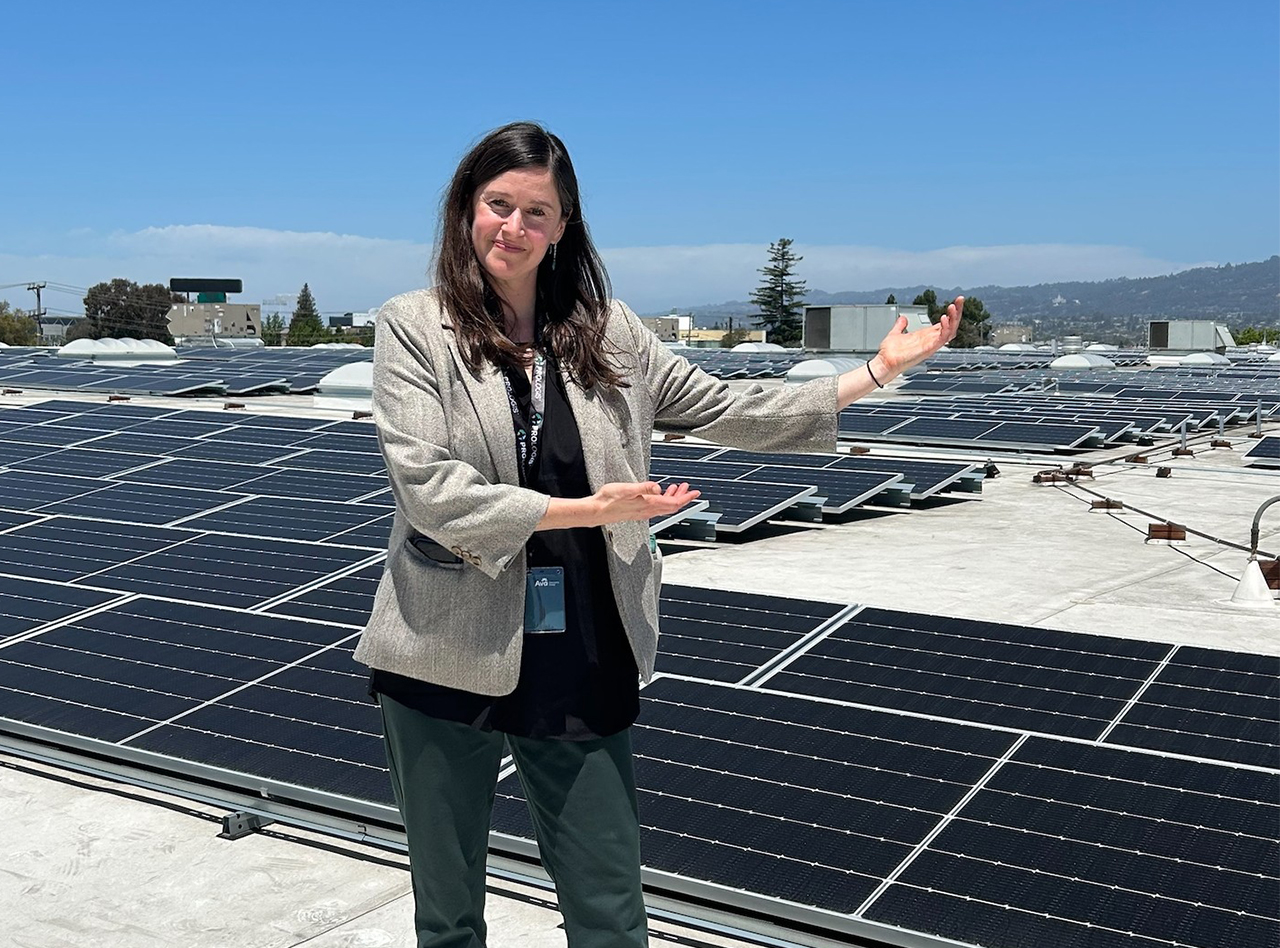
Community Solar projects funded by the CPUC’s Community Solar Green Tariff Program, like the Ava Community Energy project in Oakland, deliver customer savings while adding to California’s renewable energy portfolio. Learn more.
Energy Storage
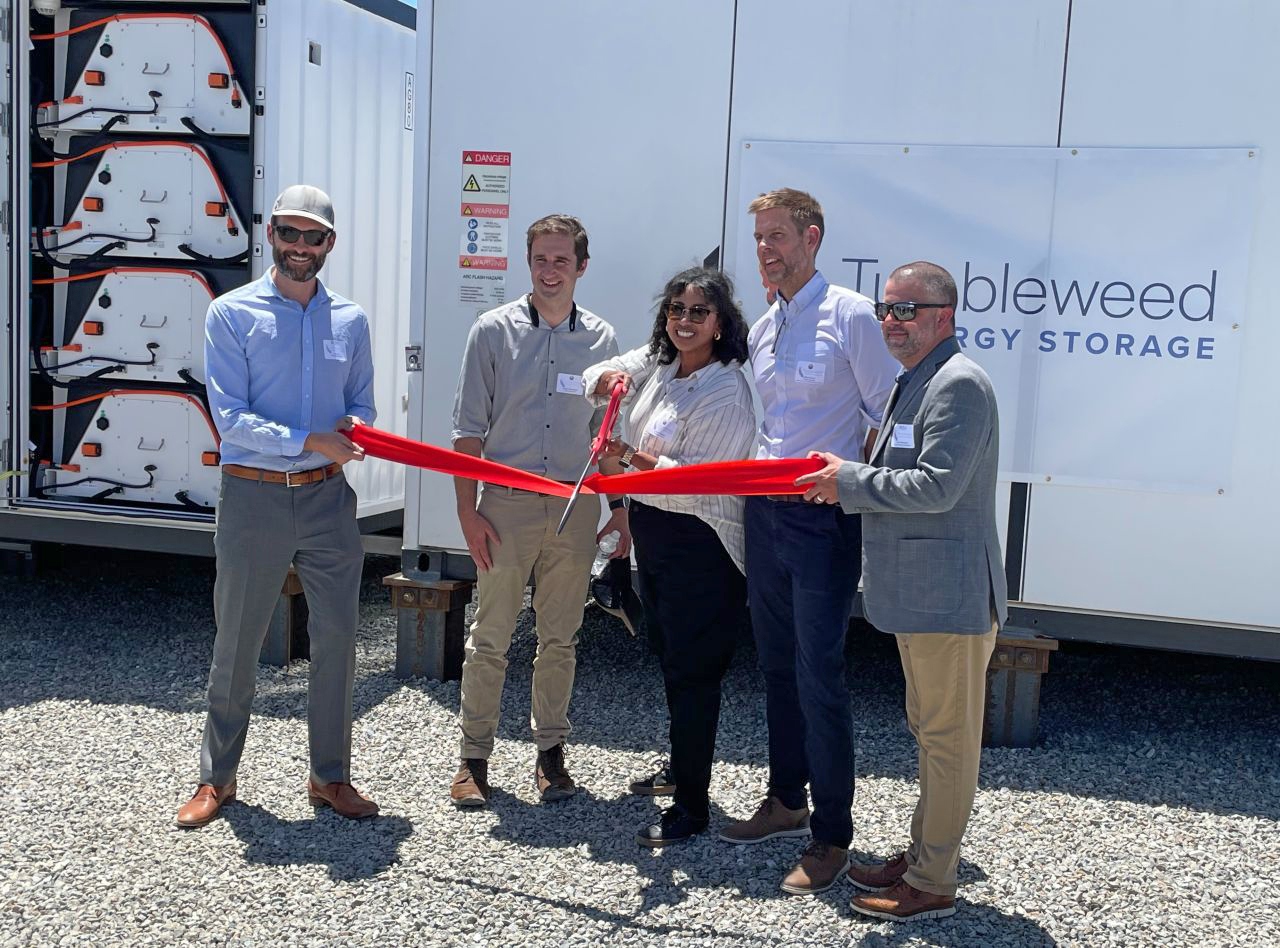
A historic expansion of energy storage resources is underway in California. The Tumbleweed Energy Storage facility is the first 8-hour battery storage project developed under the CPUC’s Integrated Resource Planning process. Learn more about this project and the CPUC's energy development tracking effort.
Making Conservation a Way of Life

The CPUC supports the California State Water Resources Control Board by ensuring that regulated utilities comply with water efficiency practices, helping communities adapt to climate-related water challenges. Learn more.
Rebuilding Cleaner & Safer Homes

In April 2026, the CPUC launched RISE Homes, a $50 million statewide initiative that provides financial assistance for Californians whose homes have been destroyed or red-tagged due to natural disasters to rebuild all-electric. Learn more.
Helping Rideshare Drivers Go Electric
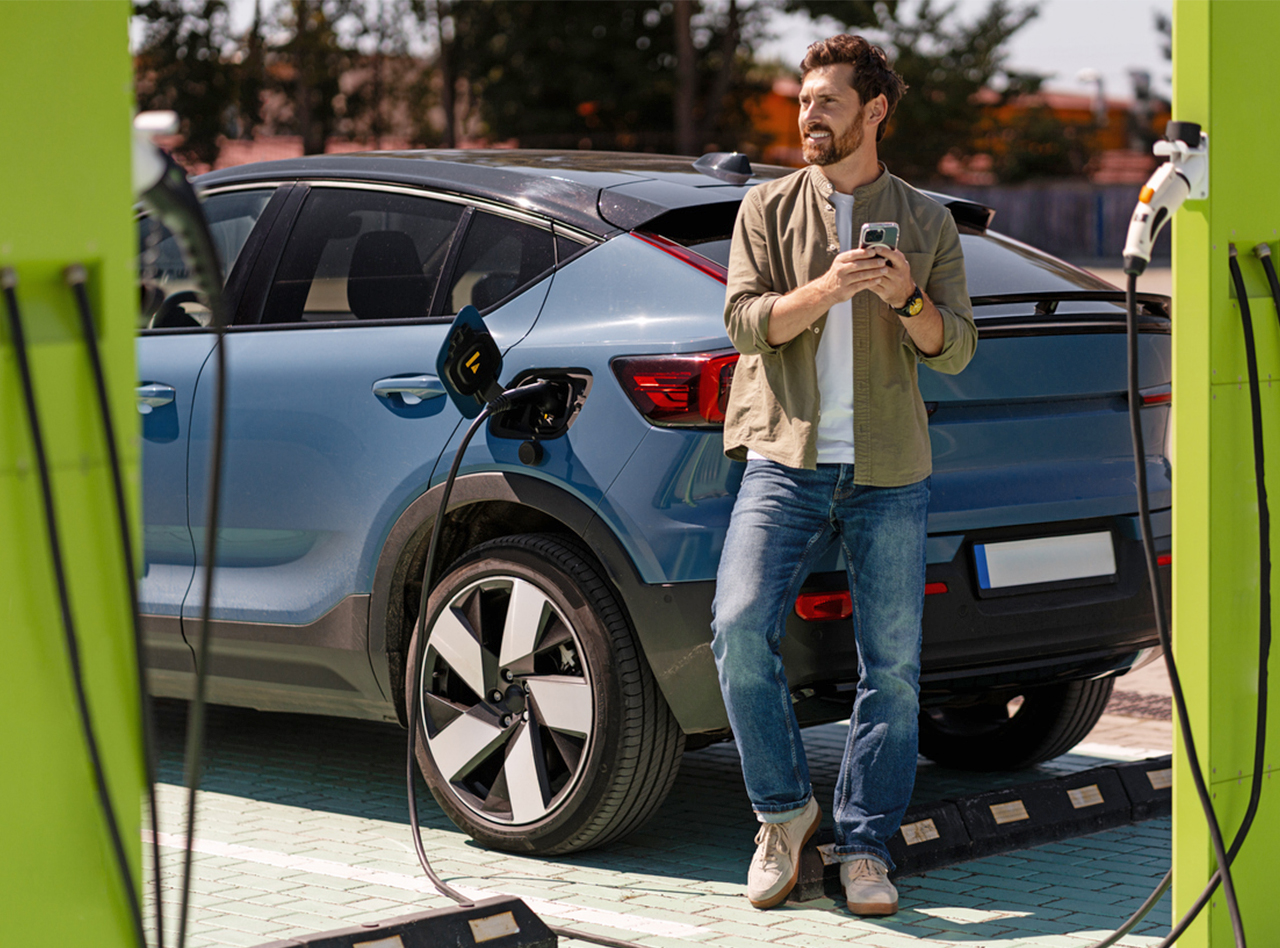
The CPUC implemented the Clean Miles Standard to reduce rideshare emissions and increase zero-emission vehicle use, and approved RIDE incentives to help eligible rideshare drivers afford zero-emission vehicles and charging costs. Learn more about RIDE and the Clean Miles Standard.
Articles
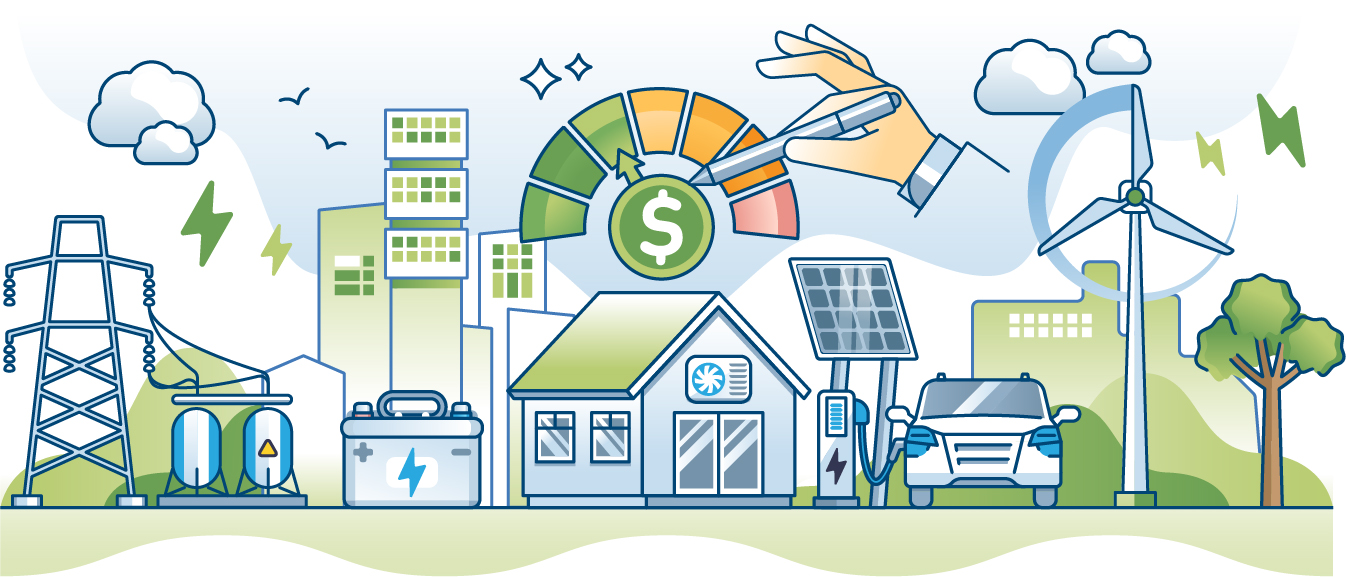
The “Meeting California’s Climate Goals” series explores the CPUC’s role in the statewide transition to a carbon-free economy. We highlight the regulatory levers and programs that help position the state on the least-cost path to net zero emissions across the electric, buildings, transportation, and industrial sectors.
| Electricity | Buildings | Transportation |
| Bill Summary & Requirements | Implementation Venue |
|---|---|
| SB 100 (De León, 2018): California Renewables Portfolio Standard Program Increases California Renewables Portfolio Standard to 60% by 2030 and requires all the state's electricity to come from renewable and zero-carbon resources by 2045. The CPUC administers the state’s Renewables Portfolio Standard in coordination with the Integrated Resource Planning proceeding, which authorizes the procurement of renewable energy resources to meet the 2030 and 2045 goals. |
|
| AB 2316 (Ward, 2022): Community Renewable Energy Program Requires the CPUC to establish a community renewable energy program. This legislation has led the CPUC to streamline and improve the market-rate Green Tariff offerings and subsidized Disadvantaged Communities Green Tariff and Community Solar Green Tariff. |
|
| SB 355 (Stats. 2023, Ch. 393): Multifamily Affordable Housing Solar Roofs Program Extends the CPUC’s Solar on Multifamily Affordable Housing program (SOMAH) to 2032. |
|
| AB 209 (Committee on Budget, Stats. 2022, Ch. 251)/AB 102 (Ting, Stats. 2023-24, Ch. 38): Self Generation Incentive Program Amends the CPUC’s Self-Generation Inventive Program (SGIP) to provide funding for combined solar and storage incentives (AB 209) and allocates $208 million in funding from the Greenhouse Gas Reduction Fund to provide SGIP incentives to low-income residential customers who install solar paired with storage. The CPUC oversees the administration of this funding through the Residential Solar and Storage Equity (RSSE) program. |
|
| Bill Summary & Requirements | Implementation Venue |
|---|---|
| SB 1221 (Min, 2024): Priority Neighborhood Decarbonization Zones Requires the CPUC to create a cost-effective voluntary neighborhood decarbonization program to allow gas utilities to replace aging gas infrastructure in targeted areas with zero-emissions alternatives. |
|
| SB 1477 (Stern, 2018): TECH and BUILD Requires the CPUC to create and administer the TECH and BUILD programs to support the adoption of heat pumps in existing buildings and new constructions. |
|
| SB 1383 (Lara, 2014) /SB 1440 (Hueso, 2018): Biomethane Standards Requires California to reduce emissions of methane by 40 percent below 2013 levels by 2030 (SB 1383) and authorizes the CPUC to adopt biomethane procurement targets or goals for the gas utilities it regulates (SB 1440), leading to the creation of the CPUC’s biomethane procurement program. |
|
| Bill Summary & Requirements | Implementation Venue |
|---|---|
| SB 410 (Becker, 2023)/AB 50 (Wood, 2023): Powering Up Californians Act Directs the CPUC to determine criteria for timely electricity service for new or upgraded service connections (AB 50) and establish reasonable average and maximum target energization time periods for utilities (SB 410) to expedite the process for connecting new loads, such as electric vehicle charging stations, to the grid. Pursuant to this legislation, the CPUC has directed utilities to establish a standard offering for flexible service connections for customers impacted by distribution capacity constraints. |
|
| SB 1014 (2018): Clean Miles Standard Through California’s Clean Miles Standard, the CPUC is working with the California Air Resources Board (CARB) to reduce emissions from rideshare services by accelerating the transition to zero-emission vehicles. The program targets 90 percent of transportation network company vehicle miles to be zero-emission and zero greenhouse gas emissions from the sector by 2030. The CPUC’s Rideshare Incentives for Driving Electric (RIDE) program supports these goals by helping eligible low- and moderate-income, high-mileage rideshare drivers transition to zero-emission vehicles. |
|